
The Complete Guide to Building Your Men's Grooming Kit
Complete Men Grooming Tools
Someone told you a single razor was all you needed. Not entirelly true. Since men have hair in lots of places, the grooming industry has kept up. From the face to the scalp, from the beard to the body, there’s a purpose-built tool for every job. This guide breaks down every type of electric men grooming kit so you know exactly what you’re buying, why you need it, and what to skip.
Let's start with a summary table for the men grooming kit (electrical items):
Tool | Primary Use | Wet Use? | Best For |
Face Shaver (Foil) | Shaving the face clean | Most models | Daily shavers, sensitive skin |
Face Shaver (Rotary) | Shaving the face clean | Most models | Coarse/multi-directional hair |
Hair Clipper | Cutting head hair | No | DIY haircuts, fades, buzz cuts |
Head Shaver | Shaving the scalp smooth | Yes | Bald or shaved-head men |
Beard Trimmer | Shaping and trimming beard | Some models | Beard styling, stubble control |
Body Groomer | Chest, back, groin hair | Yes | Full-body grooming |
Nose & Ear Trimmer | Facial detail work | Some models | Nose, ear, eyebrow hair |
All-in-One Kit | Multiple grooming tasks | Some models | Minimalists, travelers |
1. Face Shaver (Foil)
Foil shavers use oscillating blades beneath a thin, perforated metal foil. The foil lifts hairs and the blades cut them close to the skin. They shave in straight lines, making them ideal for men whose hair grows in a consistent direction.

Who should choose a foil shaver:
- You shave every day or almost every day
- You have sensitive skin prone to irritation
- You want a clean, close result comparable to a blade
- You prefer a shaver that works great dry or with foam
💡 Top Pick Category: Foil shavers dominate the premium segment — Braun Series 9 and Panasonic Arc 5 are consistently rated best-in-class for closeness and skin comfort.
2. Face Shaver (Rotary)
Rotary shavers use circular spinning heads — usually three — that flex independently to follow the curves of your jaw, chin, and neck. They’re particularly effective on men whose hair doesn’t grow in a single direction.
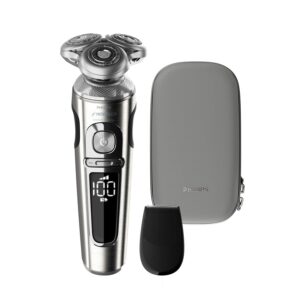
Who should choose a rotary shaver:
- Your beard grows in multiple directions
- You have a strong jawline, prominent chin, or angular neck
- You shave every 2–3 days rather than daily
- You prefer a quieter shaving experience
3. Hair Clipper
Hair clippers are designed to cut head hair efficiently using adjustable guard combs. They’re the tool barbers use most, and a quality pair at home can save you hundreds of dollars a year in haircuts.
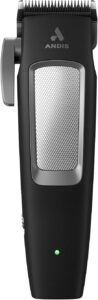
What to look for in a hair clipper:
- Guard set included — allows consistent length across all cuts
- Corded vs. cordless — corded never dies mid-cut; cordless is more flexible
- Self-sharpening blades — stainless steel or ceramic for longevity
- Motor power — important for thick or coarse hair
Note: Hair clippers are NOT designed to shave the scalp clean. The blade gap is too wide and can cause nicks on bare skin. For a smooth shaved head, you need a dedicated head shaver.
4. Head Shaver
Head shavers are a distinct category from face shavers. They’re built with larger, more flexible shaving heads designed to cover the curved surface of the scalp efficiently and safely. Many models are fully waterproof for use in the shower.
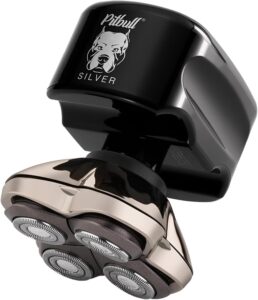
Key features to look for:
- Multi-flex pivoting head — adapts to the shape of your scalp
- Waterproof body — shower shaving is faster and more comfortable
- Wide cutting path — reduces the number of passes needed
- Rechargeable with long battery life — scalp shaving takes longer than face shaving
z💡 Pro Tip: Men transitioning to a shaved head often start with a clipper to get close, then finish with a head shaver for the smooth result. Some head shavers include a clipper attachment for exactly this reason.
5. Beard Trimmer
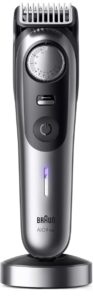
Beard trimmers use adjustable length settings to cut facial hair to a precise, consistent length. They’re the essential tool for any man who maintains a beard, from heavy stubble to a full beard. Most include multiple guard combs and some have built-in length dials.
Types of beard trimmers:
- Standard trimmer — adjustable guards, good for most beard lengths
- Precision trimmer — narrow blade for line-ups, edges, and detail work
- Stubble trimmer — optimized for very short lengths (0.5–5mm)
- Combo trimmer/shaver — includes a foil shaver head for edges
Who needs a beard trimmer:
- You maintain any kind of facial hair regularly
- You want clean necklines and cheek lines without going to a barber
- You keep a consistent stubble length as your everyday look
6. Body Groomer
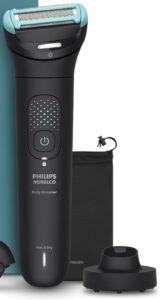
Body groomers are designed for use below the neck. They feature skin-safe guards that prevent the blade from making direct contact with skin, reducing the risk of cuts in sensitive areas. Most are fully waterproof for shower use.
Key differences from face shavers:
- Wider cutting head — covers more surface area per pass
- Skin-safe foil or guards — essential for groin and underarm areas
- Longer reach handle on some models — helps with the back
- Waterproof — body grooming in the shower is far more comfortable
 Important: Never use a standard face shaver or beard trimmer on sensitive body areas. They lack the protective guards designed to prevent nicks on delicate skin.
7. Nose & Ear Trimmer
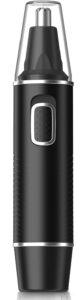
Nose and ear trimmers are compact rotary or blade devices designed to safely trim hair inside the nostrils and ears without pulling or cutting skin. They’re one of the most overlooked grooming tools — but one of the most noticed when neglected.
What to look for:
- Dual-edge blade — trims in both directions for efficiency
- Waterproof — easy to rinse after use
- Eyebrow comb included — useful for trimming brow length
- Compact design — fits easily in a travel bag
8. All-in-One Grooming Kit
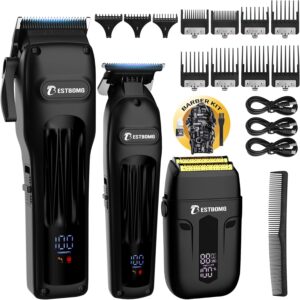
All-in-one kits may come with a single motor unit and multiple interchangeable heads — a foil shaver, beard trimmer, body groomer, nose trimmer, and sometimes a hair clipper. They’re practical and space-efficient, but the individual attachments rarely match the performance of dedicated tools.
Best use case:
- You’re just starting to build a grooming routine and want to try different tools
- You travel frequently and need one compact bag solution
- Your grooming needs are moderate — you don’t need professional-level results
💡 Honest Take: All-in-one kits are a great starting point. Most men who use one regularly end up replacing individual attachments with dedicated tools over time as they identify what matters most to them.
Which Tools Do You Actually Need?
The minimalist (clean shave, no beard, don’t care about rest of the body)
- Face shaver (foil or rotary) — that’s it
The beard guy
- Beard trimmer for daily shaping
- Face shaver or blade razor for the clean edges
- Nose trimmer for finishing touches
The shaved head
- Head shaver — dedicated model, not a face shaver
- Beard trimmer if you also keep facial hair
The full kit
- Face shaver for daily shave
- Beard trimmer for facial hair styling
- Body groomer for below the neck
- Nose & ear trimmer for details
- Hair clipper if you cut your own hair at home
💡For more on preventing irritation and ingrown hairs in sensitive areas, the American Academy of Dermatology’s shaving guide is a solid resource.
Find Your Safe Pick — No Research Rabbit Holes
Now that you know what each tool does, the next step is finding the right model. We’ve done the research so you don’t have to — no hours of YouTube reviews, no conflicting forum opinions. Just a clean, curated list of the best electric shavers for men. Check out our Best Electric Shavers for Men.
New to electric shavers and still deciding which type fits your lifestyle? We broke down all three options side by side — Straight Razor vs. Electric Shaver vs. Disposable Blade.
Already have your shaver — now get the technique right. Most shaving problems come down to skipping a few key steps, not the equipment — How to Shave Correctly: A Step-by-Step Guide.
Wondering how long your shaver should last before replacing it? How Long Does an Electric Shaver Last?
About the Author:
I'm R. Cristo, the person behind ShaversPick. I write about men's grooming, tools, and the everyday health side of it too — helping you make smarter choices, save money where it counts, and take better care of yourself along the way. I'm also active in those same discussions on Reddit as u/foil_and_edge, trading tips and troubleshooting with the community there.